


Packaging & Delivery
Selling Units: Piece/Pieces
Supply Ability & Additional Information
Productivity: 50000
Transportation: Ocean,Land,Others
Place of Origin: CHINA
Certificate: CE
HS Code: 84195000
Payment Type: T/T,L/C,Others
Incoterm: FOB
Product Description
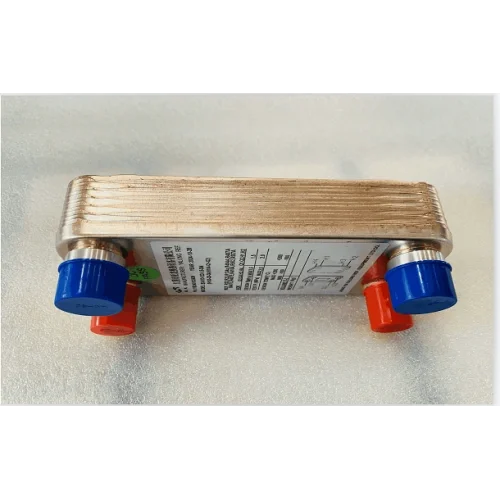
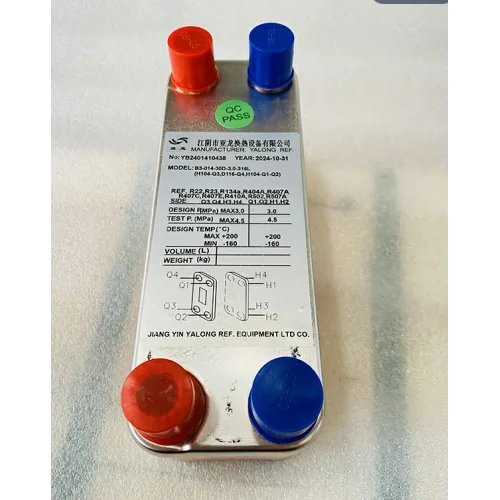
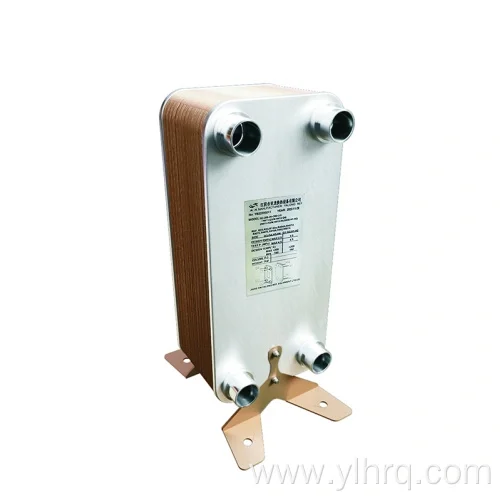
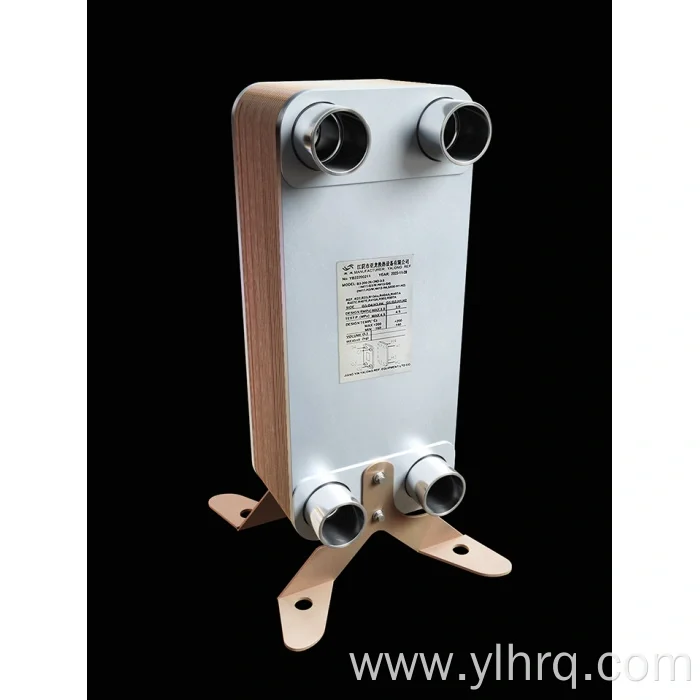
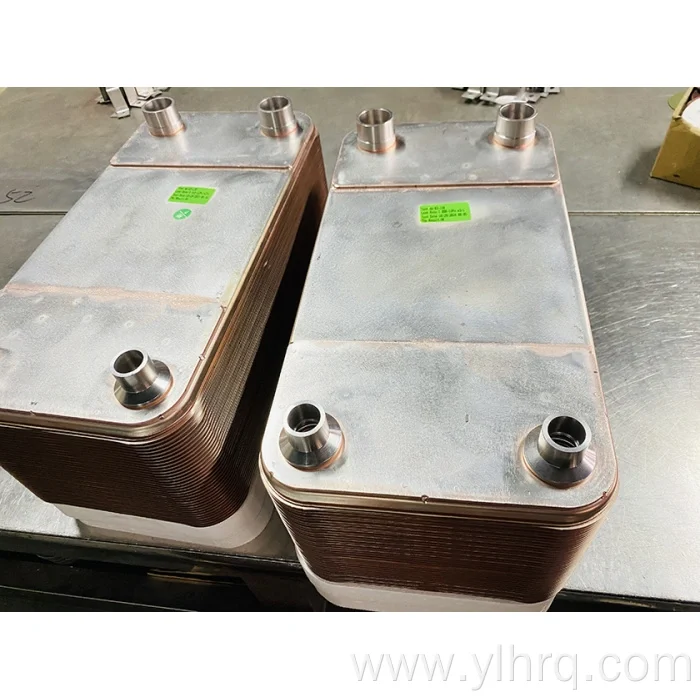
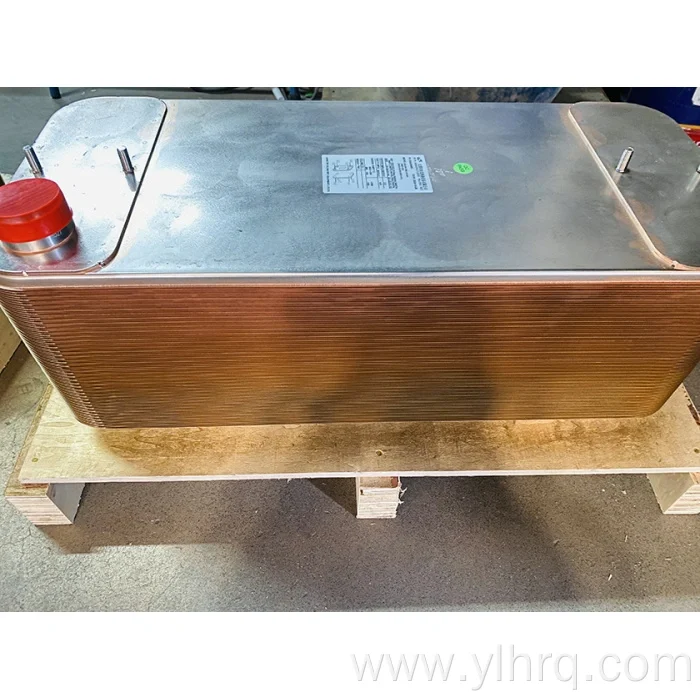
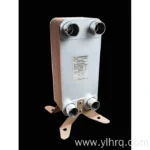
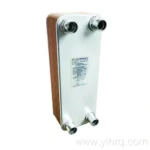
This product is mainly used in a series of boilers, boilers, air conditioners and other equipment that only requires a relatively total heat exchange efficiency!this model most used in some biger machine.
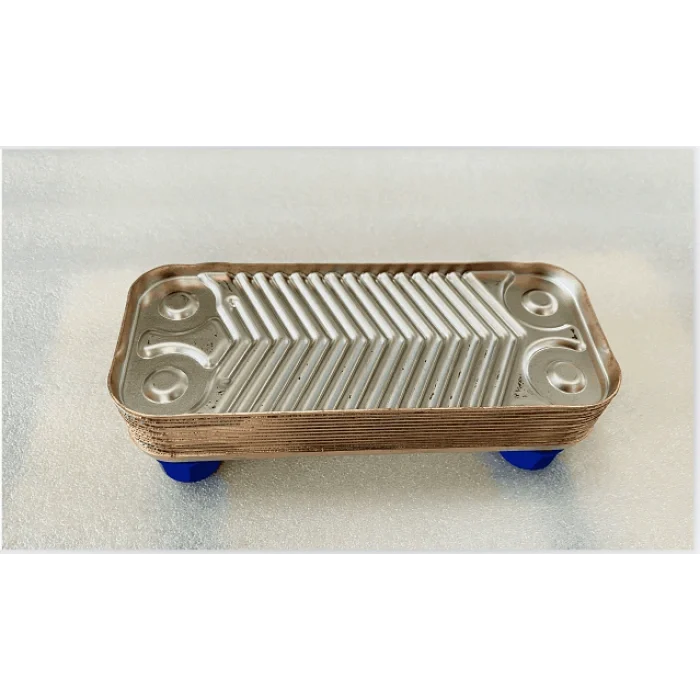
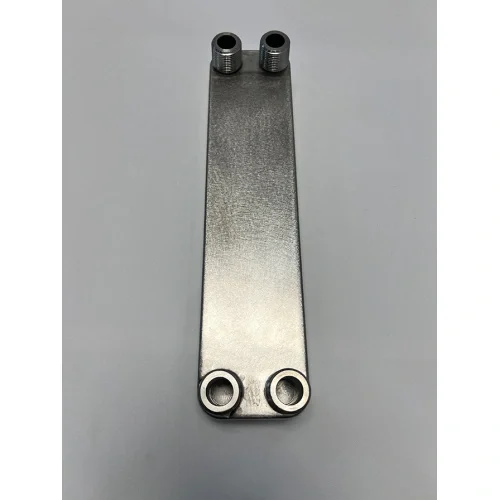
The brazing Plate Heat Exchanger is a new type of high-efficiency Heat Exchanger made by stacking a series of metal sheets with a certain corrugated shape and brazing. Thin rectangular channels are formed between the various plates, through which heat is exchanged. Compared with the conventional shell-and-Tube Heat Exchanger, its heat transfer coefficient is much higher under the same flow resistance and pump power consumption, and it has a tendency to replace the shell-and-tube heat exchanger within the applicable range. a. Refrigeration: Used as a Condenser And Evaporator. b. HVAC: intermediate Heat Exchangers used with boilers, intermediate heat exchangers for high-rise buildings, etc. c. Chemical industry: soda ash industry, ammonia synthesis, alcohol fermentation, resin synthesis cooling, etc. d. Metallurgical industry: heating or cooling of aluminate mother liquor, cooling of steelmaking process, etc. e. Machinery industry: all kinds of quenching fluid cooling, reducer lubricating oil cooling, etc. f. Electric power industry: high-voltage transformer oil cooling, generator bearing oil cooling, etc. g. Paper industry: bleaching process, heat recovery, heating slurry, etc. h. Textile industry: viscose silk alkali aqueous solution cooling, boiling nitrified fiber cooling, etc. i. Food industry: juice sterilization and cooling, animal and vegetable oil heating and cooling, etc. j. Grease process: soap-based atmospheric pressure drying, heating or cooling of various process liquids. k. Central heating: district heating of waste heat in thermal power plants, heating of bathing water. l. Others: petroleum, medicine, shipbuilding, seawater desalination, geothermal utilization. On the advantages of Brazed Plate Heat Exchanger
The advantages of brazed Plate Heat Exchangers mainly include the following aspects:
High heat transfer efficiency: Brazed plate heat exchangers significantly improve heat transfer efficiency by increasing the heat exchange surface area. Compared to traditional shell-and-tube heat exchangers, brazed plate heat exchangers transfer heat more efficiently, saving energy costs.
Compact design: Due to their parallel plate construction, brazed plate heat exchangers are usually compact and take up less space. This is an important advantage for limited industrial sites and also reduces the cost of the equipment.
Suitable for multi-fluids: Brazed plate heat exchangers can handle many different fluid combinations and are suitable for a variety of process needs. Different fluids can flow independently between plates, avoiding cross-contamination and helping to maintain product quality.
Corrosion resistance: Brazed plate heat exchangers are usually made of stainless steel, copper or other corrosion-resistant materials, which can handle corrosive media and improve the service life of the equipment.
High temperature and high pressure resistance: This metal material determines that the brazed plate heat exchanger has the characteristics of high temperature resistance (up to 20°C) and pressure resistance (working pressure up to 30 bar, reinforced type up to 45 bar). Low cost: Brazed plate heat exchangers save material costs compared to general heat exchangers, and save installation space, reducing the overall design cost 2Easy to install: The brazed plate heat exchanger has a variety of fixing methods and is easy to install2Suitable for low-temperature applications: The compact design and high thermal efficiency of brazed plate heat exchangers make them particularly suitable for low-temperature applications. It enables efficient heat transfer in a relatively small space, reducing energy consumption by 3Maintainability: Due to its simple design, it is relatively easy to maintain and clean brazed plate heat exchangers. Users can regularly inspect and clean the plates to ensure their long-term efficient operation.


Product Attributes
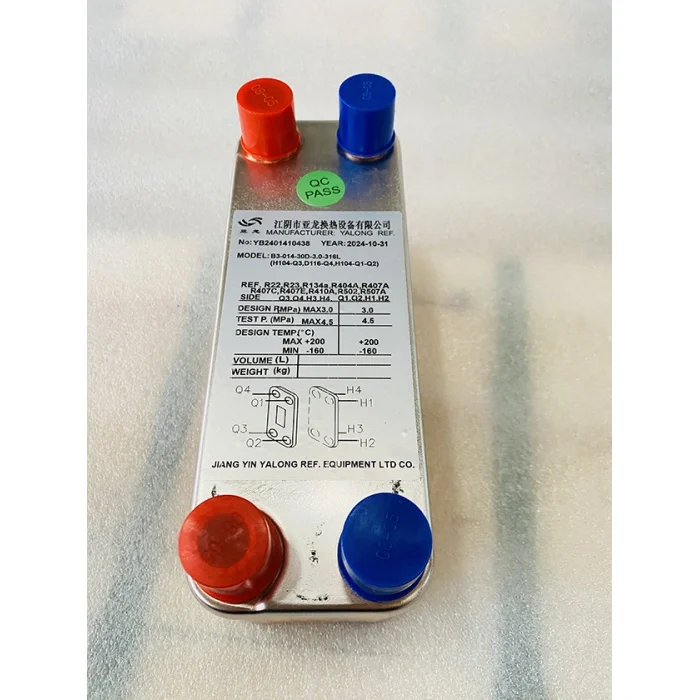
Model No.: B3-200-20D-4.5
Brand: YALONG
Design Temperature (℃): -100/+200
Design Pressure (MPa): 3.0/4.5
Test Pressure (MPa): 4.5/6.5
The Material Of The Plate Is Optional: 304,316L
Single Heat Transfer Area (㎡): 0.2
Packaging & Delivery
Selling Units: Piece/Pieces
Supply Ability & Additional Information
Productivity: 50000
Transportation: Ocean,Land,Others
Place of Origin: CHINA
Certificate: CE
HS Code: 84195000
Payment Type: T/T,L/C,Others
Incoterm: FOB
Product Description
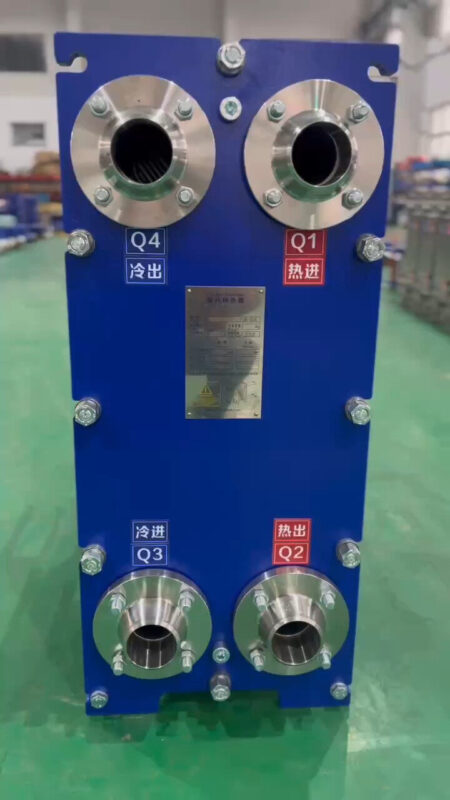
This product is mainly used in a series of boilers, boilers, air conditioners and other equipment that only requires a relatively total heat exchange efficiency!this model most used in some biger machine.
The brazing Plate Heat Exchanger is a new type of high-efficiency Heat Exchanger made by stacking a series of metal sheets with a certain corrugated shape and brazing. Thin rectangular channels are formed between the various plates, through which heat is exchanged. Compared with the conventional shell-and-Tube Heat Exchanger, its heat transfer coefficient is much higher under the same flow resistance and pump power consumption, and it has a tendency to replace the shell-and-tube heat exchanger within the applicable range. a. Refrigeration: Used as a Condenser And Evaporator. b. HVAC: intermediate Heat Exchangers used with boilers, intermediate heat exchangers for high-rise buildings, etc. c. Chemical industry: soda ash industry, ammonia synthesis, alcohol fermentation, resin synthesis cooling, etc. d. Metallurgical industry: heating or cooling of aluminate mother liquor, cooling of steelmaking process, etc. e. Machinery industry: all kinds of quenching fluid cooling, reducer lubricating oil cooling, etc. f. Electric power industry: high-voltage transformer oil cooling, generator bearing oil cooling, etc. g. Paper industry: bleaching process, heat recovery, heating slurry, etc. h. Textile industry: viscose silk alkali aqueous solution cooling, boiling nitrified fiber cooling, etc. i. Food industry: juice sterilization and cooling, animal and vegetable oil heating and cooling, etc. j. Grease process: soap-based atmospheric pressure drying, heating or cooling of various process liquids. k. Central heating: district heating of waste heat in thermal power plants, heating of bathing water. l. Others: petroleum, medicine, shipbuilding, seawater desalination, geothermal utilization. On the advantages of Brazed Plate Heat Exchanger
The advantages of brazed Plate Heat Exchangers mainly include the following aspects:
High heat transfer efficiency: Brazed plate heat exchangers significantly improve heat transfer efficiency by increasing the heat exchange surface area. Compared to traditional shell-and-tube heat exchangers, brazed plate heat exchangers transfer heat more efficiently, saving energy costs.
Compact design: Due to their parallel plate construction, brazed plate heat exchangers are usually compact and take up less space. This is an important advantage for limited industrial sites and also reduces the cost of the equipment.
Suitable for multi-fluids: Brazed plate heat exchangers can handle many different fluid combinations and are suitable for a variety of process needs. Different fluids can flow independently between plates, avoiding cross-contamination and helping to maintain product quality.
Corrosion resistance: Brazed plate heat exchangers are usually made of stainless steel, copper or other corrosion-resistant materials, which can handle corrosive media and improve the service life of the equipment.
High temperature and high pressure resistance: This metal material determines that the brazed plate heat exchanger has the characteristics of high temperature resistance (up to 20°C) and pressure resistance (working pressure up to 30 bar, reinforced type up to 45 bar). Low cost: Brazed plate heat exchangers save material costs compared to general heat exchangers, and save installation space, reducing the overall design cost 2Easy to install: The brazed plate heat exchanger has a variety of fixing methods and is easy to install2Suitable for low-temperature applications: The compact design and high thermal efficiency of brazed plate heat exchangers make them particularly suitable for low-temperature applications. It enables efficient heat transfer in a relatively small space, reducing energy consumption by 3Maintainability: Due to its simple design, it is relatively easy to maintain and clean brazed plate heat exchangers. Users can regularly inspect and clean the plates to ensure their long-term efficient operation.
Payment Type:T/T,L/C,Others
Incoterm:FOB
Min. Order:500 Piece/Pieces
Transportation:Ocean,Land,Others
Price:$500 ≥500 Piece/Pieces
Model B3-200-20D-3.0
Power (Watts) 50000